Step-By-Step Breakdown: What to Anticipate From a Trusted WordPress SEO Audit
A specialized WordPress SEO audit service offers a methodical strategy to analyzing a web property's search engine optimization. It identifies opportunities and challenges, emphasizing key components such as technical SEO, content quality, and user experience. Knowing what to expect from this evaluation can help webmasters make informed choices. Nevertheless, many may be curious about what particular factors are necessary for an effective audit and how these insights can lead to measurable enhancements.
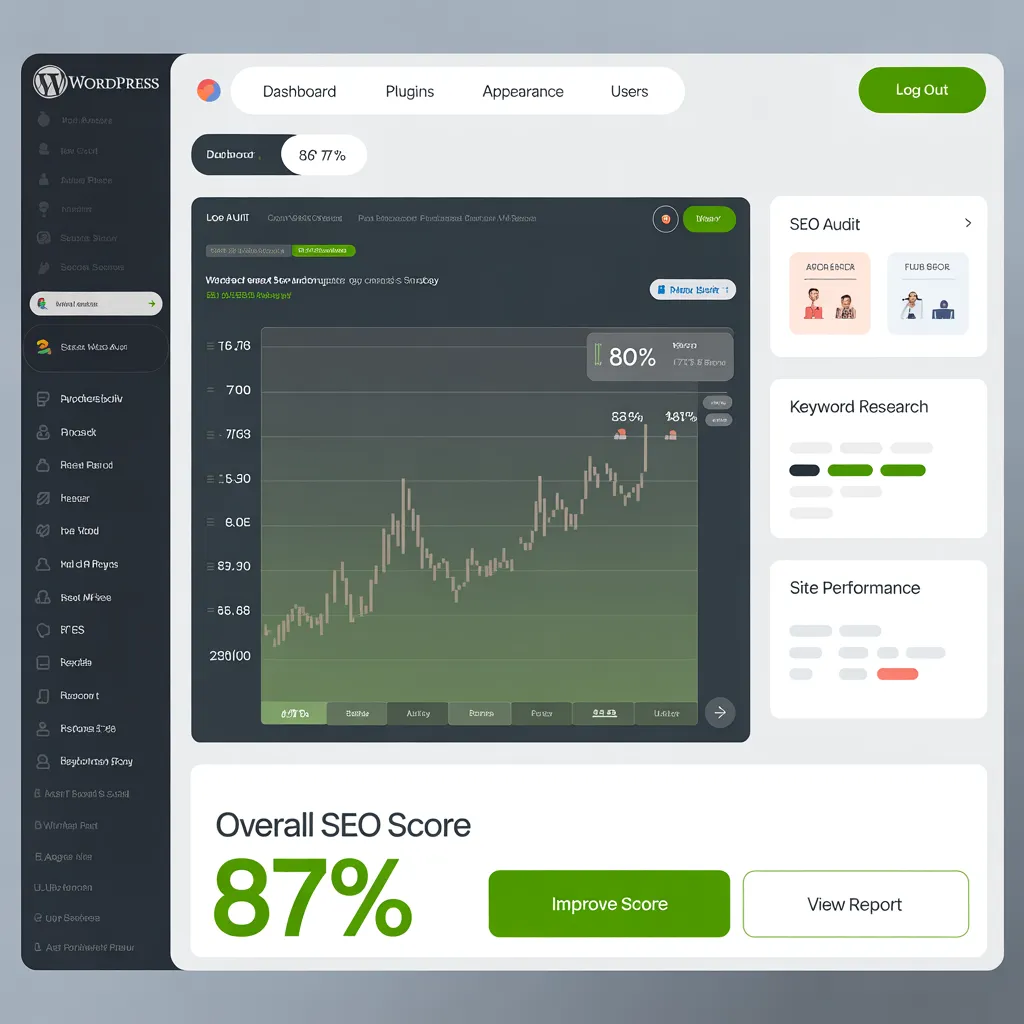
Understanding a WordPress SEO Audit and Its Importance
A WordPress SEO review is a comprehensive analysis of a web presence's search engine performance, aimed at revealing areas that need attention. This methodology includes evaluating several aspects of the site, including keyword usage, content standards, page speed, and mobile compatibility. By assessing these aspects, a thorough audit identifies strong points and areas for improvement, assisting website owners in improving their search engine presence.
An SEO audit is significant because of its power to reveal concealed challenges that may hinder a site's performance. Search engine algorithms are constantly evolving, making routine audits critical for preserving top search positions. In addition, a thoroughly conducted audit can improve the overall user experience and increased organic traffic, ultimately driving conversions. It serves as a roadmap for strategic improvements, empowering organizations to maintain their edge in an ever-evolving digital landscape. Regular audits guarantee that a website remains aligned with best practices and the demands of modern users, encouraging lasting and measurable growth.
Essential Elements of a Detailed SEO Analysis
A comprehensive SEO audit includes numerous essential components vital for enhancing a website's performance. Among these, a thorough technical SEO analysis guarantees that the site's infrastructure facilitates search engine discoverability, while a content quality review measures the relevance and efficiency of the site's content. Together, these components provide a strong framework for strengthening overall SEO approach.
Technical SEO Analysis
A technical SEO analysis functions as the backbone of a comprehensive SEO audit, guaranteeing that a website is optimized for optimal performance and search engine visibility. This analysis focuses on critical elements such as site speed, mobile-friendliness, and secure connections (HTTPS). It assesses the website's framework, including URL formatting and internal linking, to enhance navigation for both users and search engines. Additionally, it assesses the presence of XML sitemaps and robots.txt files, which assist search engine crawlers. Accurate indexing and crawlability are also reviewed to eliminate potential obstacles that may impede search visibility. By identifying and rectifying technical issues, this analysis lays the groundwork for better rankings and user experience, making it an indispensable part of any SEO audit.
Content Quality Assessment
After reviewing technical components, the content quality review examines how well a website's content meets both user needs and search engine standards. This assessment centers around several key factors, including relevance, originality, and engagement. Content must effectively address target audience queries and provide valuable information. In addition, it is essential to examine keyword usage, ensuring that keywords are integrated naturally without compromising readability. The audit also analyzes content structure, including images, headings, and bullet points, which enhance user experience. Moreover, assessing content freshness is critical, as obsolete information can negatively impact rankings. In conclusion, a thorough content quality evaluation aims to synchronize content strategy with SEO best practices, driving greater visibility and user satisfaction.
On-Page Aspects to Examine in Your WordPress SEO Review
Evaluating on-page components is essential for improving a WordPress site's SEO results. Key elements include title elements, which should be descriptive and feature appropriate keywords to enhance online visibility. Page descriptions also hold considerable value, as they provide a summary that can influence visitor interaction rates.
Headings like H1, H2, and others ought background information to be utilized strategically to structure content properly and signal importance to search engine algorithms. Furthermore, the optimization of images through alt text attributes provides content accessibility and enhances search rankings.
Internal linking strategies are critical, as they aid in allocating page authority and navigating users throughout the site. URL architecture should be clear and keyword-focused to enhance user experience and search engine comprehension.
Finally, mobile responsiveness and loading speed are essential, as they significantly affect search rankings and user engagement. Tackling these on-page elements can significantly improve a WordPress site's overall SEO effectiveness.
How Technical SEO Shapes Your Website's Overall Performance
While many aspects of SEO focus on content and user experience, the technical factors of a website serve a vital role in influencing its overall performance. Technical SEO encompasses various components, including site speed, mobile-friendliness, and proper indexing. A well-optimized website guarantees that search engines can easily crawl and understand its structure, leading to better visibility in search results.
Aspects such as secure HTTPS connections and structured data markup enhance user trust and search engine interpretation, respectively. Additionally, mobile device optimization is essential, considering the growing volume of users browsing websites via smartphones. An efficient site architecture, including clean URLs and an organized sitemap, also assists in navigating both users and search engines. In the end, ignoring technical SEO can cause delayed load times, insufficient indexing, and likely ranking penalties, greatly impacting a website's overall effectiveness and reach in the digital landscape.
Evaluating Off-Page SEO Elements and Their Effect
In what ways does off-page SEO affect a website's authority and visibility? Off-page SEO encompasses various external factors that influence a site's reputation and ranking. Key elements include backlinks, social media engagement, and online mentions. Strong backlinks from authoritative sources improve credibility, communicating to search engines that the content is both valuable and trustworthy. On the other hand, low-quality links can damage a site's standing.
A strong social media presence contributes considerably to off-site SEO efforts. Active engagement on platforms can generate traffic and encourage community engagement, increasing brand awareness. Moreover, online brand mentions, regardless of whether they include direct links, can strengthen a website's perceived credibility.
Search engine algorithms evaluate these external ranking factors when determining site rankings, making them vital for visibility. A comprehensive examination of these elements during an SEO audit can reveal areas of strength and areas needing improvement, guiding strategies to enhance overall site performance and domain authority in a highly competitive environment.
How to Apply Your SEO Audit Results for Website Enhancement
Applying the insights gained from an SEO audit can greatly improve a website's performance. Upon identifying areas for improvement, website administrators should prioritize practical improvements based on their audit findings. This encompasses optimizing on-page factors such as title tags, meta descriptions, and header tags to match specific keywords.
In addition, enhancing website speed and mobile-friendly design can substantially increase the end-user experience and search rankings. Tackling technical issues, like dead links and sitemap-related errors, is also critical for keeping your website in good health.
Content quality should not be overlooked; enhancing existing content and creating new, valuable material can drive organic traffic.
Ultimately, monitoring progress through analytics tools can assist in assessing the efficiency of executed adjustments. By methodically tackling these aspects, website owners can guarantee their web presence continues to be competitive and relevant in search engine rankings.
Setting Up Your Website for an SEO Audit
Getting a website for an SEO audit requires critical steps to secure a successful process. To begin, archiving website data protects against possible loss during the audit. Furthermore, determining key performance metrics provides a precise framework for reviewing the website's current SEO status.
Protect Your Website Data
Backing up website data is a critical step in the search engine optimization audit process. This precaution guarantees that all content, settings, and configurations are safely preserved before any modifications are implemented. Should there be unexpected complications during the audit, having a full backup enables quick restoration, reducing downtime and preventing data loss. Multiple options are available for safeguarding WordPress websites, including using plugins, manual backups via FTP, or relying on hosting provider services. Each method has its advantages, and webmasters should opt for a method that suits their technical capabilities and objectives. By emphasizing the importance of data backup, companies can undertake the SEO audit with certainty, knowing their information is protected throughout the assessment process.
Define Key Performance Metrics
Defining important measurement criteria is crucial for a successful SEO audit. These benchmarks establish standards for assessing a website's performance and pinpointing areas needing attention. Regularly monitored metrics encompass organic traffic, bounce rate, conversion rate, and keyword rankings. Examining these metrics empowers webmasters to determine strong and weak points in their SEO plan.
Furthermore, measuring performance indicators such as page load time and mobile responsiveness can help ensure optimal user experience. By defining clear, measurable goals, website owners can better analyze the impact of their SEO initiatives. Routinely examining these metrics promotes knowledgeable decision-making and promotes continuous improvement, ultimately leading to strengthened digital presence and boosted visitor numbers. Accurate identification of these metrics is a vital step in getting ready for a thorough SEO audit.
Common Questions and Answers
What Is the Typical Duration of a Professional SEO Audit?
An expert SEO audit usually spans anywhere from one to two weeks, depending on the complexity of the website and the depth of analysis required. Variables that impact the timeframe involve the website's scale, the total page count, and the particular SEO components under review. In some cases, a more thorough audit may extend beyond two weeks, particularly if extensive reporting or recommendations are needed to enhance the site's performance in search engine rankings.
What Are the Expenses Involved in an SEO Audit Service?
The costs associated with SEO audit services can vary considerably depending on factors including the website's complexity, the comprehensiveness of the audit, and the agency's expertise. On average, fees range from $300 to $5,000. Smaller websites may incur lower fees, while bigger or more competitive websites may lead to increased expenses. Supplementary services such as ongoing consultations or implementation support may also impact the total cost.
Can I Run an SEO Audit by Myself?
Absolutely, it is possible to execute an SEO audit on their own. Numerous tools and resources are found on the web to aid in examining website effectiveness, keyword impact, and technical elements. Nevertheless, while self-conducted audits can provide valuable insights, they could be missing the detail and proficiency that professional agencies deliver. A solid grasp of SEO practices is necessary for accuracy, and independent assessments might miss key problems that could be identified by skilled specialists.
How Frequently Should I Perform an SEO Audit?
An SEO audit is generally recommended no less than twice yearly to guarantee website performance remains ideal and to stay aligned with algorithm updates. Nevertheless, conducting audits more regularly, such as quarterly or even monthly, could prove advantageous for websites experiencing major updates or for sites operating in highly competitive markets. Regular assessments help identify issues, improve tactical approaches, and strengthen overall search engine presence, ensuring that the website remains aligned with best practices and user expectations.
Which Tools Do Professionals Use for SEO Audits?
Specialists make use of several resources for search engine optimization audits, including Google Analytics for analyzing website traffic, SEMRush for keyword analysis, and Ahrefs tool for backlink assessments. Moz provides valuable data on site authority, while Screaming Frog offers thorough website crawl analysis. Furthermore, platforms including GTmetrix and PageSpeed Insights assess page performance. Together, these tools assist professionals in identifying aspects requiring optimization, ensuring that websites are optimized for better search engine visibility and user experience.